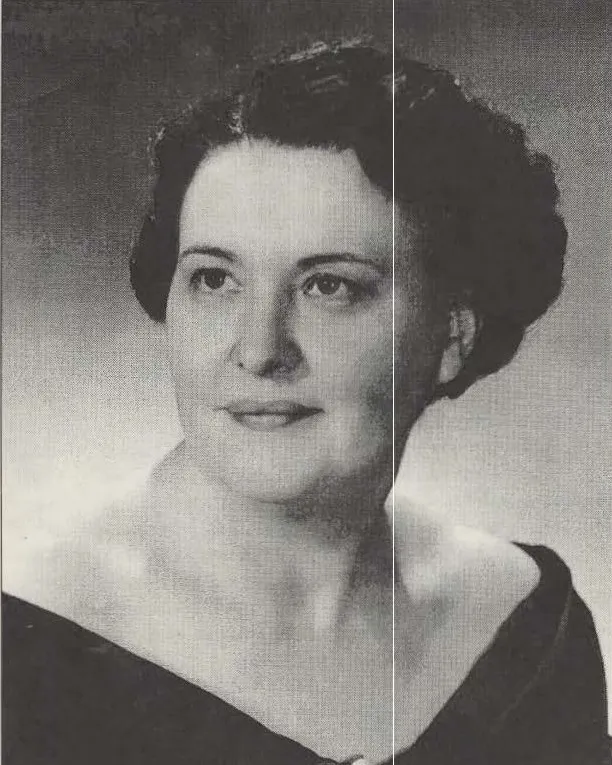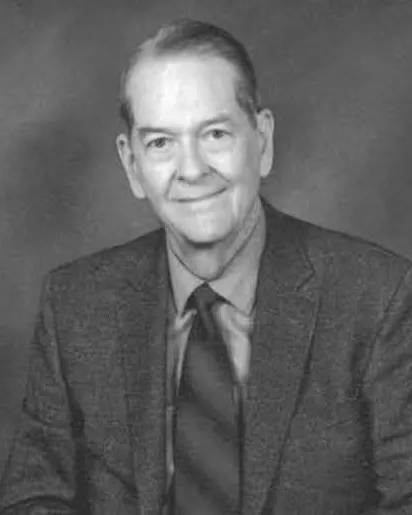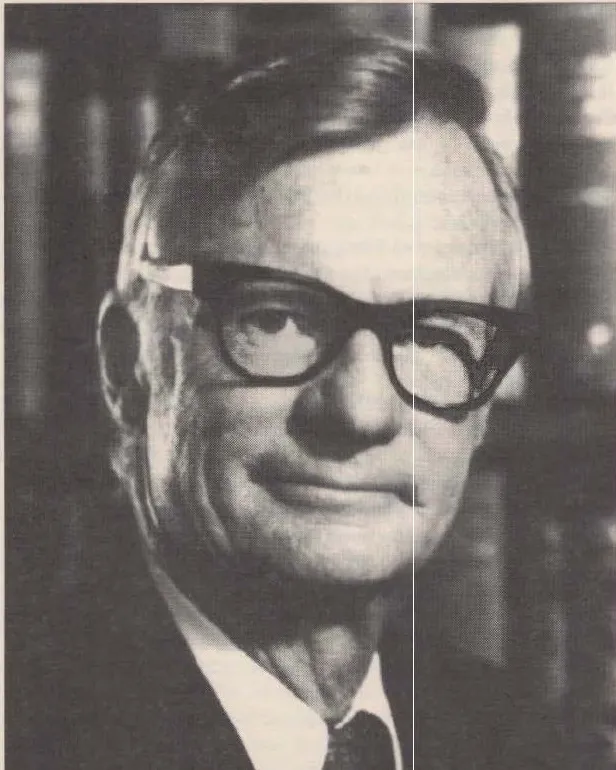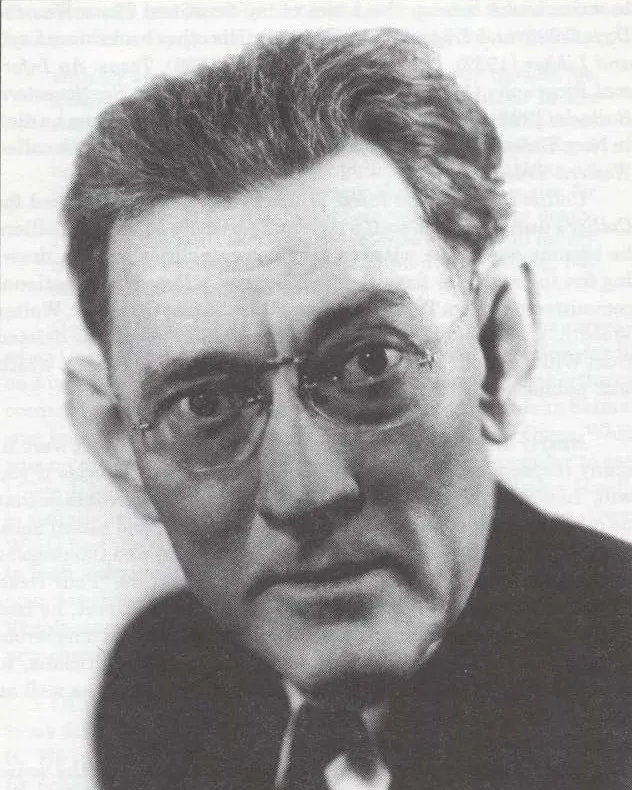
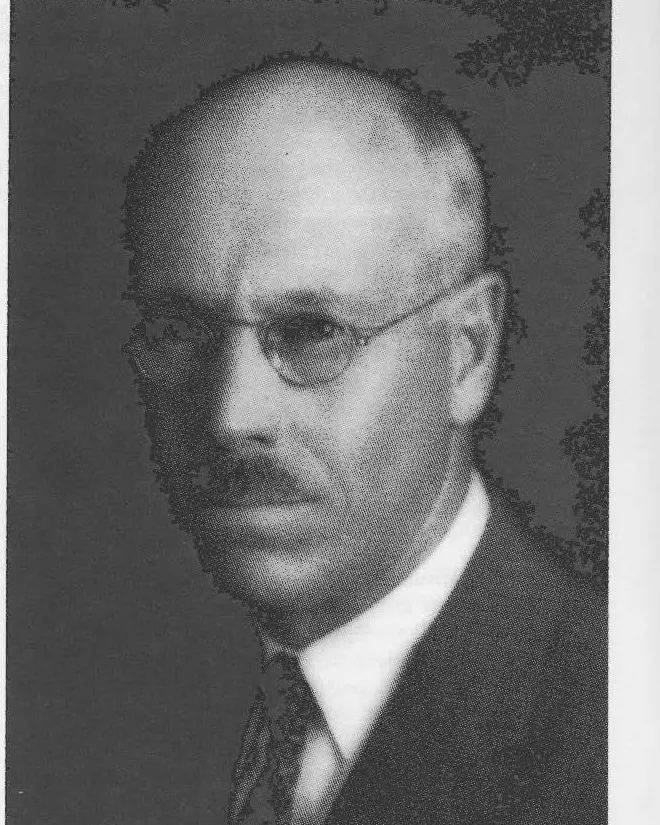
Dr. Branwell Stevens
Historical Summary
Dr. Branwell Fanning Stevens, born in Chicago on May 1, 1874, became a leading El Paso physician after arriving there in 1901 for health reasons following his graduation from Rush Medical College in 1899. After difficult beginnings, he built a medical practice with crucial support from the Sisters of Charity at Hotel Dieu Hospital, where he became one of the city’s prominent surgeons and helped introduce the use of ether anesthesia by the “drop” method.
Over a career spanning roughly fifty-six years, Stevens served El Paso through private practice and extensive institutional work. He advised the board of Hotel Dieu Hospital, taught in its nursing school, worked for major local companies, and gave ten years of uncompensated service at El Paso City County Hospital. During World War I he served as a captain in the U.S. Army Medical Corps at Camp Travis and Fort Devens, later joining wound-care research at the Rockefeller Institute. He went on to become president of the El Paso Medical Auxiliary in 1935 and chief of staff at Hotel Dieu Hospital in 1940, while also assisting Providence Hospital and volunteering to examine World War II draftees.
Stevens also maintained a notable family life, marrying Elise Walters in El Paso in 1923 and raising two daughters, Sara and Ruth. His broader civic legacy included a consequential relationship with Dr. Lawrence Aaron Nixon, El Paso’s only Black physician. Nixon, who moved to El Paso in 1909 after racial violence in East Texas, became active in local religious, political, and civil rights life, helping organize a Methodist congregation, participating in elections, and assisting in the founding of the local NAACP chapter in 1910. After Texas barred Black voters from Democratic primaries in 1923, Nixon began a two-decade legal struggle to defend his Fourteenth Amendment rights, a fight presented here as one of the most historically significant aspects of Stevens’s community influence.
Document Transcription
Dr. Branwell Fanning Stevens, 2007 Hall of Honor Recipient
Hall of Honor 2007
Dr. Branwell Fanning Stevens
It is often individual acts of courage and generosity in the face of adversity that inform a community, define what it holds sacred, and shape future generations. Such is the legacy of Dr. Branwell Fanning Stevens.
Born on May 1, 1874, in Chicago, Illinois, to John B. Stevens and Sarah Fanning, Dr. Stevens graduated in 1899 from Rush Medical College in Chicago and worked in a sanitarium in Palmyra, Wisconsin, for two years after graduation. He developed a mild nephritis and, believing that a dry, warmer climate might help his health, he followed a colleague from medical school to El Paso, Texas.
Dr. Stevens arrived in El Paso on Christmas Day in 1901. He stayed at the Veager Hotel on the corner of Overland and Utah Streets. The first year he was here he did not make enough money from his new practice working alone, so he joined the office of Dr. E. J. Mellish, a surgeon he had known in Chicago, where his share of the office rent was $15 a month. He managed to make a bare living by administering anaesthetics for several surgeons. He was the first doctor in the area to use ether, practicing the “drop” method developed by Dr. L. H. Prince at the Augustana Hospital in Chicago.
Because his surgery took place at Hotel Dieu Hospital, he became acquainted with the Sisters of Charity who referred patients to him. When there was an overflow of patients needing a doctor, the Sisters often called on the new doctor in town, B. F. Stevens, thus allowing him to establish a medical practice that would span some fifty-six years. He often said, “During my first summer in El Paso, I would have been hard put to exist if the good Sisters of Charity had not referred ten or twelve cases of typhoid to me for treatment.” By 1904 Dr. Stevens was one of five surgeons who performed over one hundred fifty operations on record at Hotel Dieu that year.
In addition to private practice, Dr. Stevens sat as an advisor on the Hotel Dieu Hospital board, he was a member of the teaching staff for the nursing school, and served as physician and surgeon for the El Paso Electric Company, Wells Fargo, and Swift and Company for twenty-five years. He served without compensation for ten years on staff at El Paso City County Hospital. In 1918 Dr. Stevens enlisted as a captain in the United States Army Medical Corps, serving at Camp Travis, Texas, and Fort Devens, Massachusetts, before he was chosen for a research study to develop new methods of wound care at the Rockefeller Institute in New York. Dr. Stevens was elected president of the El Paso Medical Auxiliary in 1935 and was appointed chief of staff of Hotel Dieu Hospital in 1940. He was also on staff at the early Providence Hospital and volunteered his time and resources in the 1940s to examine draftees for World War II military service.
In addition to his exceptional professional achievements, Dr. Stevens was a devoted family man who in 1923 married Elise Walters at the First Presbyterian Church in El Paso. They had two daughters, Sara Stevens McKnight, born in 1925, and Ruth Stevens Herlin, born in 1927.
Among Dr. Stevens's many contributions to the community was his relationship with El Paso's only black physician, Lawrence Aaron Nixon, that most influenced the course of El Paso's history. After the rampant lynching of Blacks in East Texas in the early 1900s, Dr. Nixon relocated his family and moved to El Paso in 1909 to practice medicine. As a resident of El Paso, Dr. Nixon helped organize a Methodist congregation, voted in the Democratic primary and general elections, and in 1910 helped to organize the local chapter of the National Association for the Advancement of Colored People (NAACP). In 1923 the Texas legislature passed a law which prohibited Blacks from voting in Democratic primaries. This prompted Dr. Nixon to begin a twenty-year battle to reclaim his rights under the Fourteenth Amendment.
These were turbulent times for our country and it is no secret that racism was rampant throughout the South. El Paso, however, was the exception, in part because its population was primarily