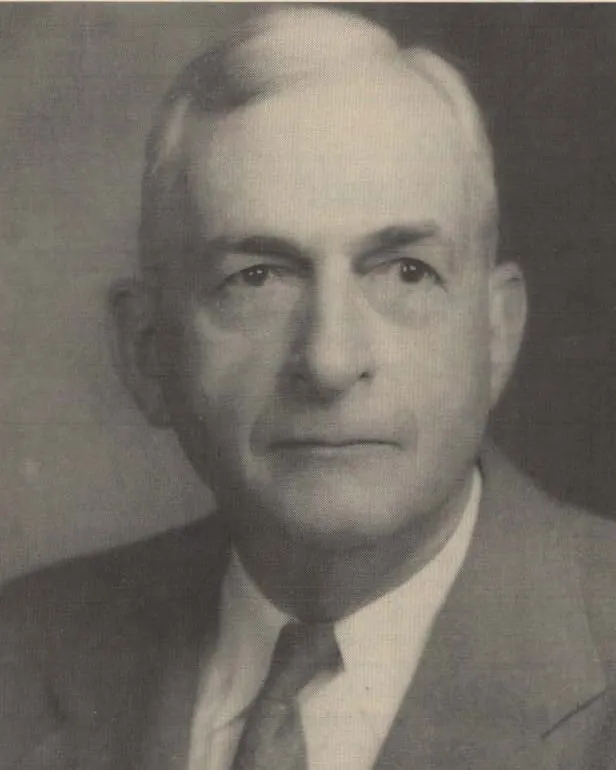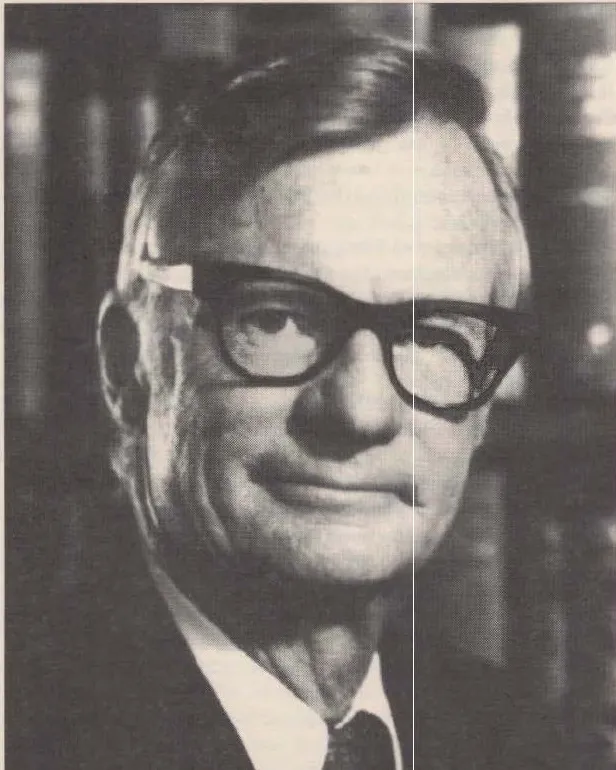
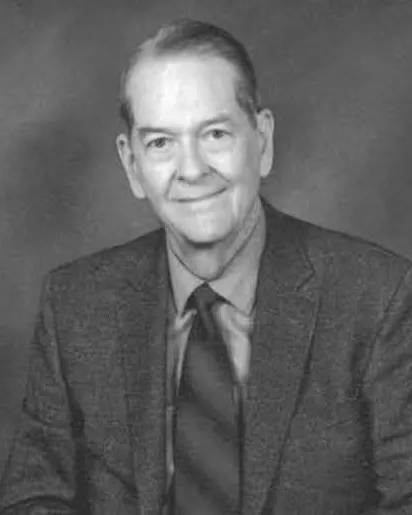
Fred Morton
Historical Summary
John W. Peak and Grace Peak were prominent El Paso philanthropists whose family funeral business, including the Peak-Hagedon Funeral Home, also played an early cultural role in the city. Beginning January 26, 1938, the funeral home became the first sponsor of KTSM’s Frontier Fighters, a 39-week radio program that dramatized people and events from the history of the American frontier between the seventeenth and nineteenth centuries.
John W. Peak was active in civic and fraternal life, especially with the El Maida Shriners, serving as Potentate in 1926. He and Grace Peak supported numerous charities, including the El Paso Y.W.C.A., helping establish its 52-bed residence for young women. After their deaths in 1950 and 1954, they left most of their estates to Texas Western College, the First Christian Church, and other charitable causes.
Fred Morton, born in El Paso on November 13, 1935, graduated from Texas Western College in 1957 and earned his law degree from the University of Texas at Austin in 1958 before joining the Texas Bar. Mentored by Robert Ewing Thomason, he became Thomason’s first law clerk and later one of the nation’s youngest United States attorneys. Morton gained distinction as lead prosecutor in United States v. Billie Sol Estes, securing the conviction of the well-known Texas swindler, and served as a judge in the U.S. Commissioner’s Court from 1966 to 1971.
Morton also built a long record of civic and professional leadership in El Paso. He was a Life Fellow of the Texas Bar Foundation, a Founding Fellow and president of the El Paso Bar Association, president of the El Paso Trial Lawyers Association and the El Paso County Historical Society, chairman of the Armed Services YMCA board, and a leader in mental health, disability, and criminal justice reform efforts. Honors including the 1987 Citation of Merit for Indigent Defense and the 2008 Outstanding Senior Attorney award reflected his reputation for integrity, legal skill, and public service.
Document Transcription
Password
his share in the funeral home in 1942, and then became partners with Russell Harding and later James Orr.
Before that, however, the Peak-Hagedon Funeral Home did much to bring the "Golden Age of Radio" to America and history lessons to El Paso by becoming the first sponsors of the "Frontier Fighters" radio show on KTSM. Beginning on January 26, 1938, "Frontier Fighters" was aired for 39 weeks and recounted historical moments or figures from the history of the American Frontier from the 1600s to the 1800s.
John W. Peak and his sister Grace were munificent philanthropists contributing to numerous El Paso charities. John Peak was active with the El Maida Shriners in El Paso in the organization's early years and, in 1926, was named its Potentate. John and Grace were two of the donors who helped the El Paso Y.W.C.A. to open its 52-bed residence for young women. Upon their deaths in 1950 and 1954, both John and Grace left the bulk of their estates to Texas Western College (now The University of Texas at El Paso), the First Christian Church, and other charitable organizations.
Fred Morton
2019 Hall of Honor Inductee
Fred Morton was born in El Paso, Texas, on November 13, 1935. He attended Texas Western College, where he received his degree in 1957, and then attended law school at The University of Texas at Austin, where he received his law degree in 1958. He was admitted to the Texas Bar that same year.
In the words of Adair Margo, "Robert Ewing Thomason—who served as El Paso's mayor, state representative, congressman, and federal judge—became a surrogate father to the young Fred Morton when his father died." Thomason mentored Mr. Morton, "who eventually served as his first law clerk and became one of the youngest United States attorneys in the country. Morton went on to an illustrious legal career, making history as the lead prosecutor in the famous United States vs. Billie Sol Estes case, in which the notorious Texas swindler was convicted, and the verdict upheld on appeal." Furthermore, Mr. Morton served as a Judge in the U.S. Commissioner's Court from 1966 to 1971.
Mr. Morton has also served the community in multiple ways for decades. He is a Life Fellow of the Texas Bar Foundation and was a Founding Fellow and president of the El Paso Bar Association, a board member for El Paso United Cerebral Palsy and the El Paso County Mental Health Association, chairman of the board of the Armed Services YMCA, Architect of the Reorganization of the State Criminal Justice System, president of the El Paso Trial Lawyers Association, and president of the El Paso County Historical Society. He also received the Citation of Merit for Indigent Defense from the Mexican-American Bar Association of El Paso in 1987 and was named Outstanding Senior Attorney by the El Paso Bar Association in 2008.
To this day, Mr. Morton remains highly respected in the community. Edward Sherman, former dean of Tulane Law School, writes, "He is one of the most accomplished lawyers in the community, well-known for his integrity and fairness, admired for his mastery of the law, for his brilliance and practical approach to legal issues, and for his extraordinary service to the legal profession and the community at large."
To close, Mr. Morton's own words—a message he imparted at the 1967 Hall of Honor—should be heeded: "We must not ignore what they [the honorees] did; we must try to recognize and appreciate the heritage they have given us." These lives, viewed as a composite, give us much of the character of El Paso itself—as unique and different as any in our land. Indeed, their lives have shaped El Paso and given it much of its character, which is a reflection of what they did.